Loading...
Loading...
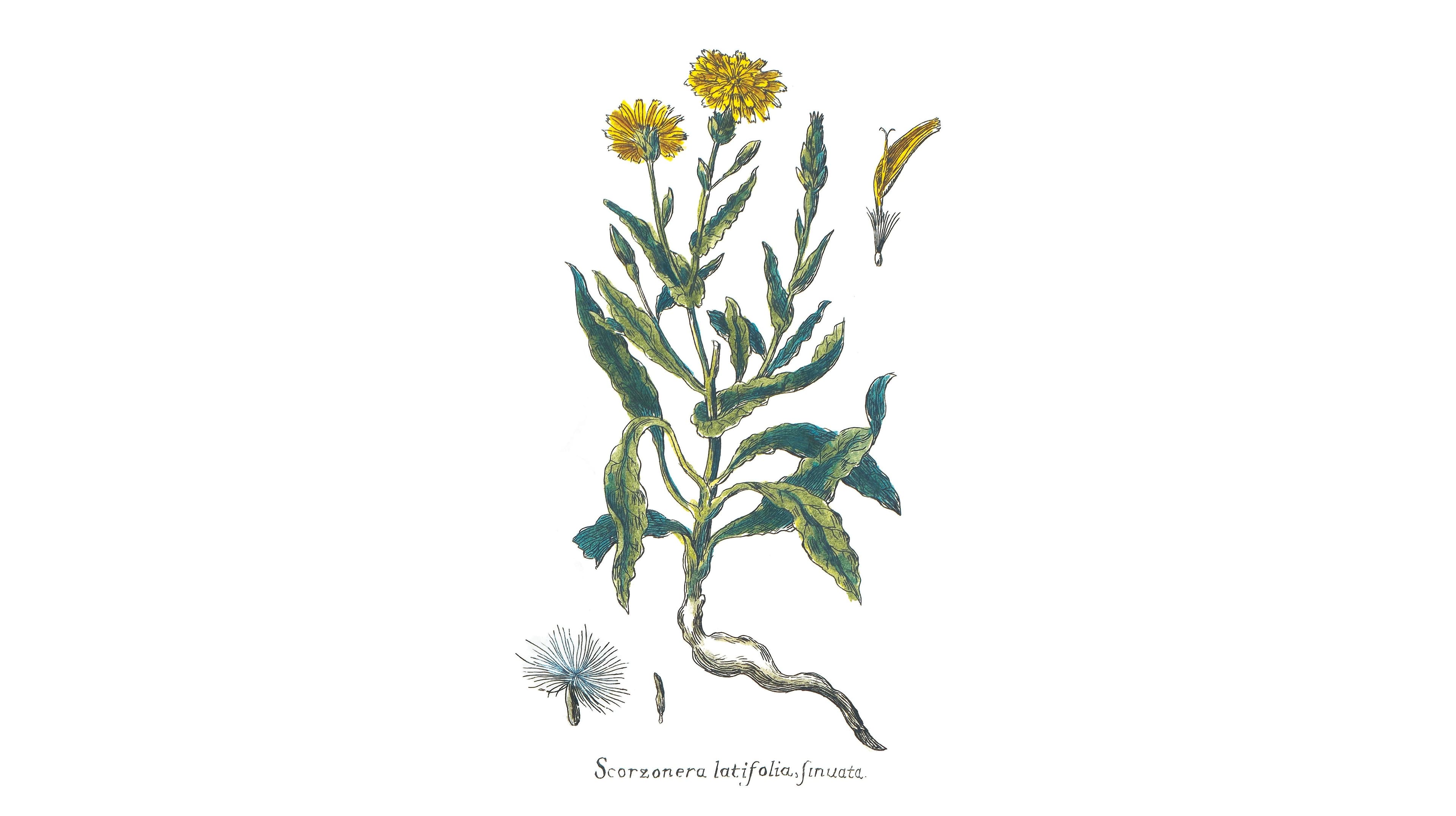
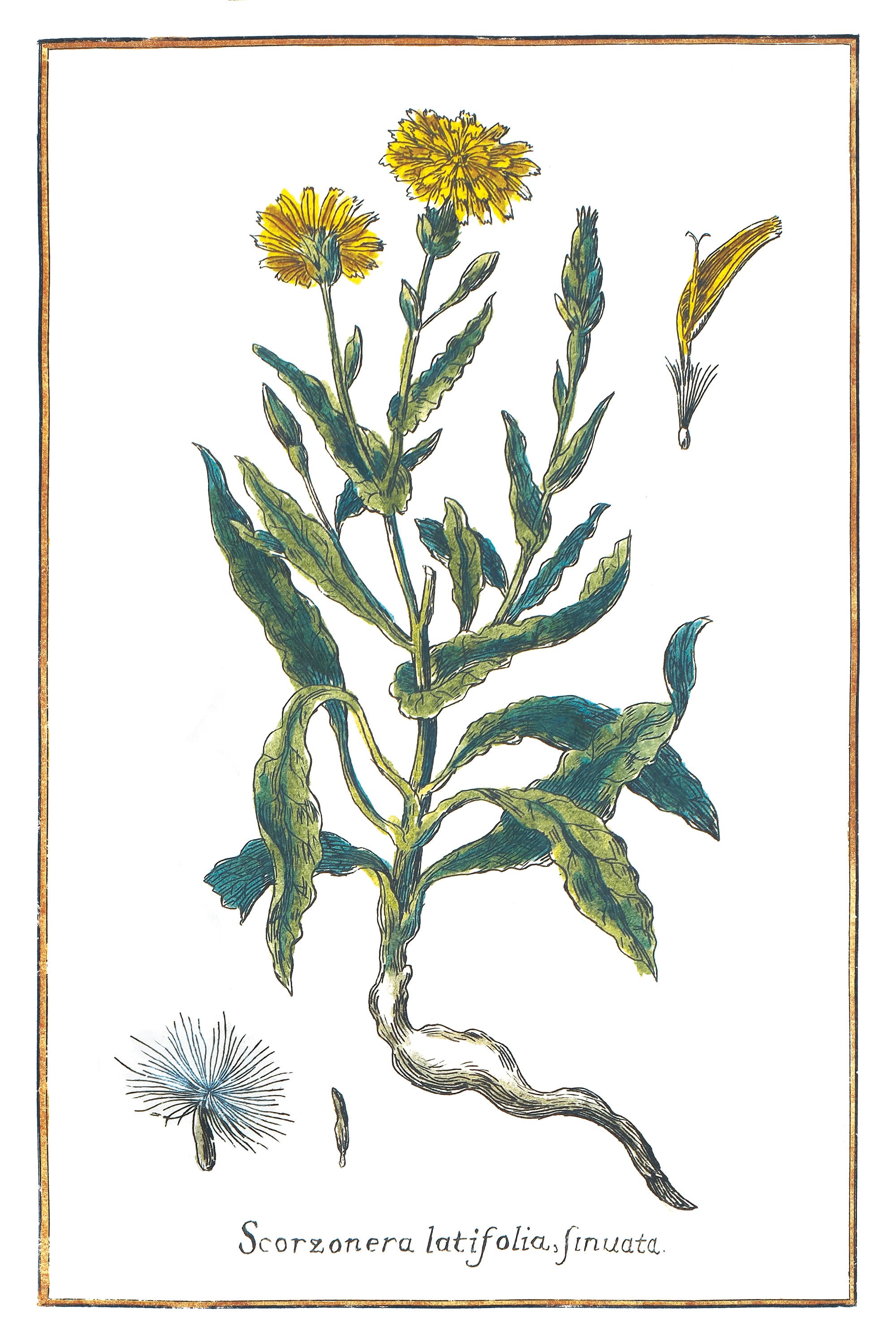
Scorzonera - the name sounds quite fierce, yet it comes to the rescue when you feel unwell 🙃.
Its origins lie in folk medicine. It was once considered a remedy for snake bites.
Today, it is used in the kitchen under the name scorzonera. The root is also known as winter asparagus. It can be prepared similarly to other root vegetables - baked, fried, boiled, and the leaves can be added to salads.
Scorzonera is rich in minerals such as potassium and sodium, calcium, iron, magnesium, phosphorus, and chlorine. It also contains provitamin A (beta-carotene), vitamins E and C, and vitamins B1, B2, and PP.
It contains inulin - a sugar that can be consumed by diabetics. Additionally, it has prebiotic properties - supporting the growth of beneficial microflora in our intestines. Thus, it aids digestion and boosts immunity.
A decoction of scorzonera has expectorant and diaphoretic properties - useful in the upcoming cold season.
This plant also acts as a diuretic, so it can be used to support the treatment of bladder inflammations.