
Loading...
Loading...
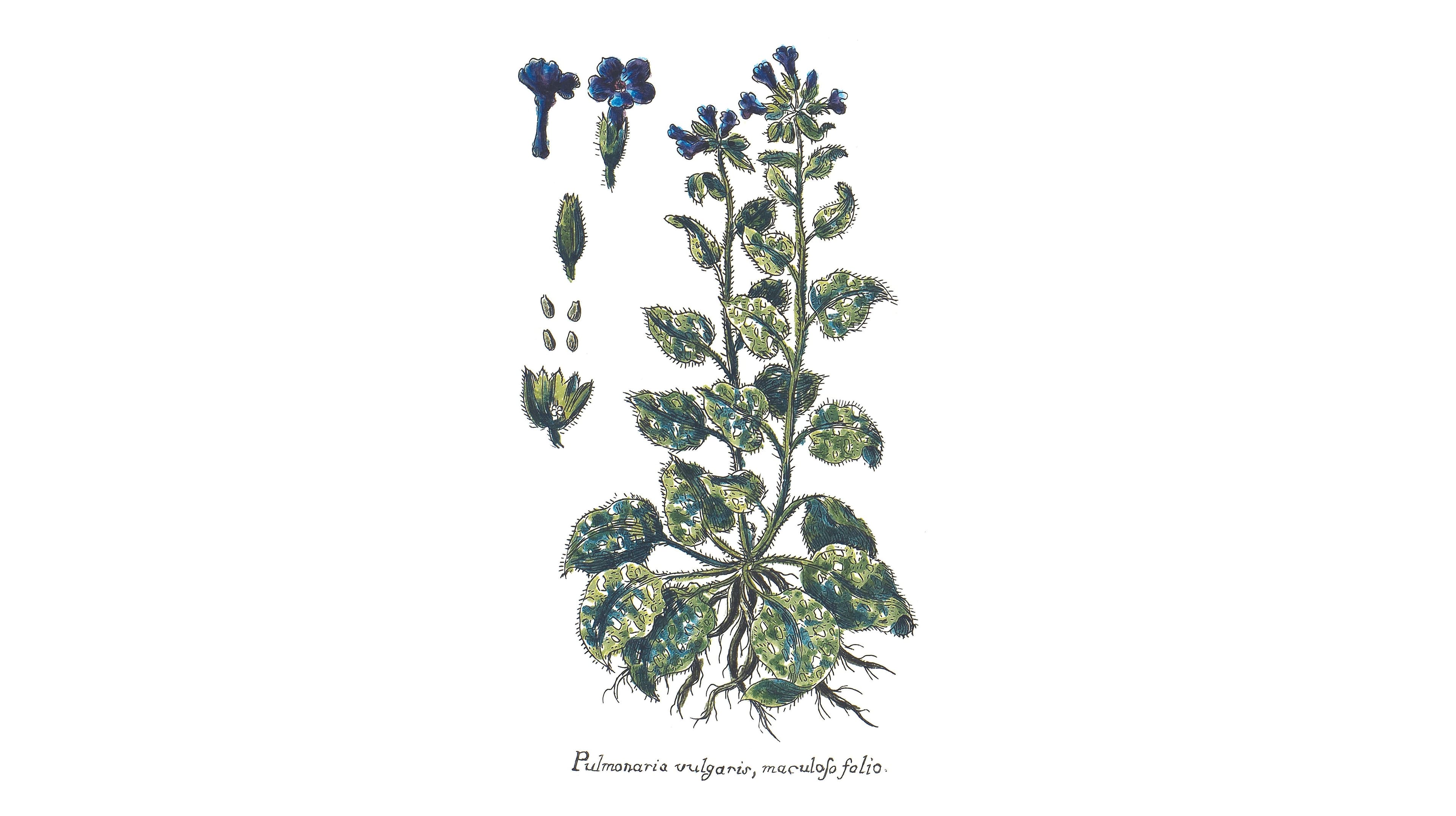
Lungwort – an unassuming plant that works wonders for the body. Brew it in autumn, and you might just avoid the flu.
Swykołka, mioduszka, płucnik, and suchotnik are other names for Pulmonaria officinalis – a plant commonly found in gardens.
Its leaves and flowers are a source of B vitamins, as well as A, C, and E.
Pulmonaria officinalis contains silica, saponins, tannins, rosmarinic acid, allantoin, mineral salts, glycopeptides, flavonoids, and mucilaginous compounds.
These compounds have a wide range of applications in phytotherapy and cosmetics. They exhibit antibacterial, diuretic, diaphoretic, astringent, expectorant, anticoagulant, antioxidant, anti-inflammatory, antitussive, and detoxifying properties.
It is most commonly used in treating respiratory issues (even asthma and cystic fibrosis), digestive system problems (Helicobacter pylori infections), urinary system (supports treatment of kidney stones), and also for improving immunity and the condition of skin, hair, and nails. Research is even being conducted on the effects of lungwort preparations on diseases such as Alzheimer's and Parkinson's.
Pulmonaria officinalis is available in the form of dried herb, macerate, tablets, capsules, tinctures, drops, shampoos and hair conditioners, ointments, and lozenges.
Lungwort infusions are wonderfully effective now, during the challenging period of upper respiratory infections and decreased immunity.
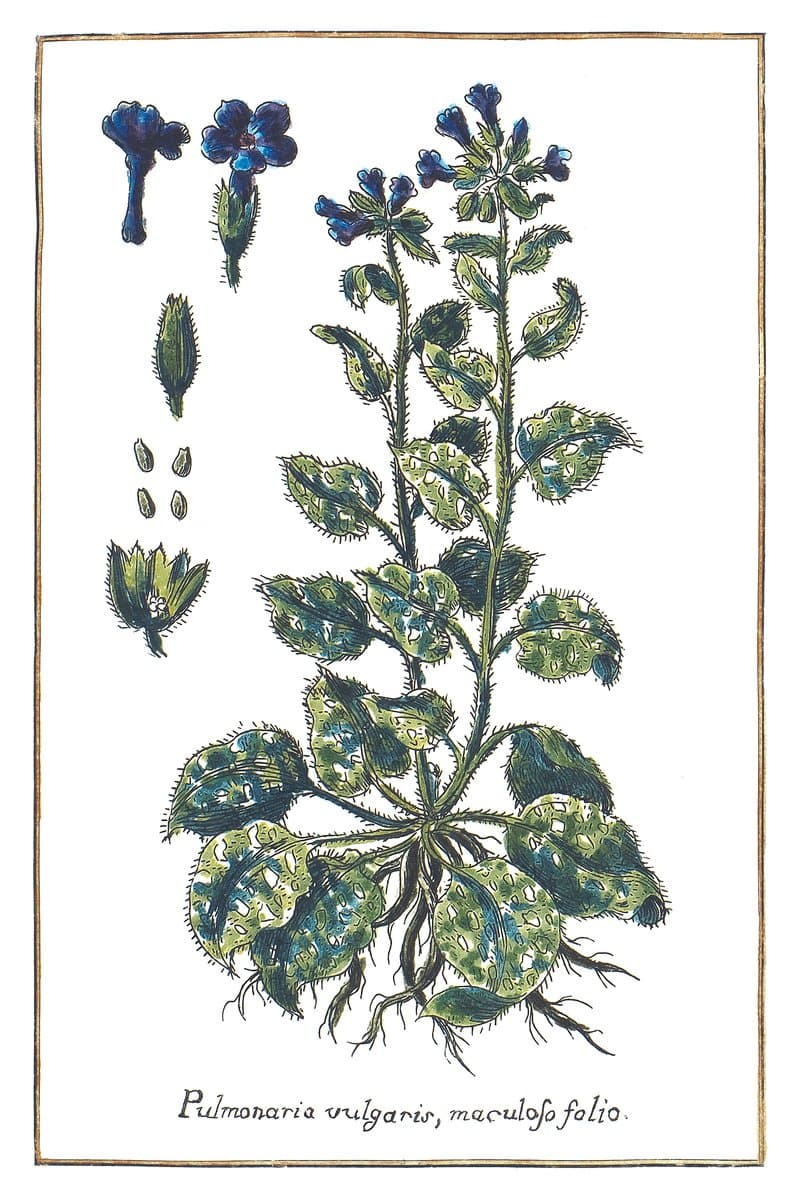
Pulmonaria Vulgaris, Maculofo Folio
from 14.00 zł